Structural Stone Masonry Contractor Engineered for Shifting Ground & Freezing Winters
Castone Masonry lays stone, repairs chimneys, and restores historic brickwork across Massachusetts. We build structural stone walls, granite steps, outdoor patios, and custom stone veneers that handle shifting soil and freezing winters. From historical restoration in Concord to coastal hardscaping in Cohasset, our crew works directly with raw materials to deliver solid, durable stonework.
Our Massachusetts Masonry & Hardscaping Services
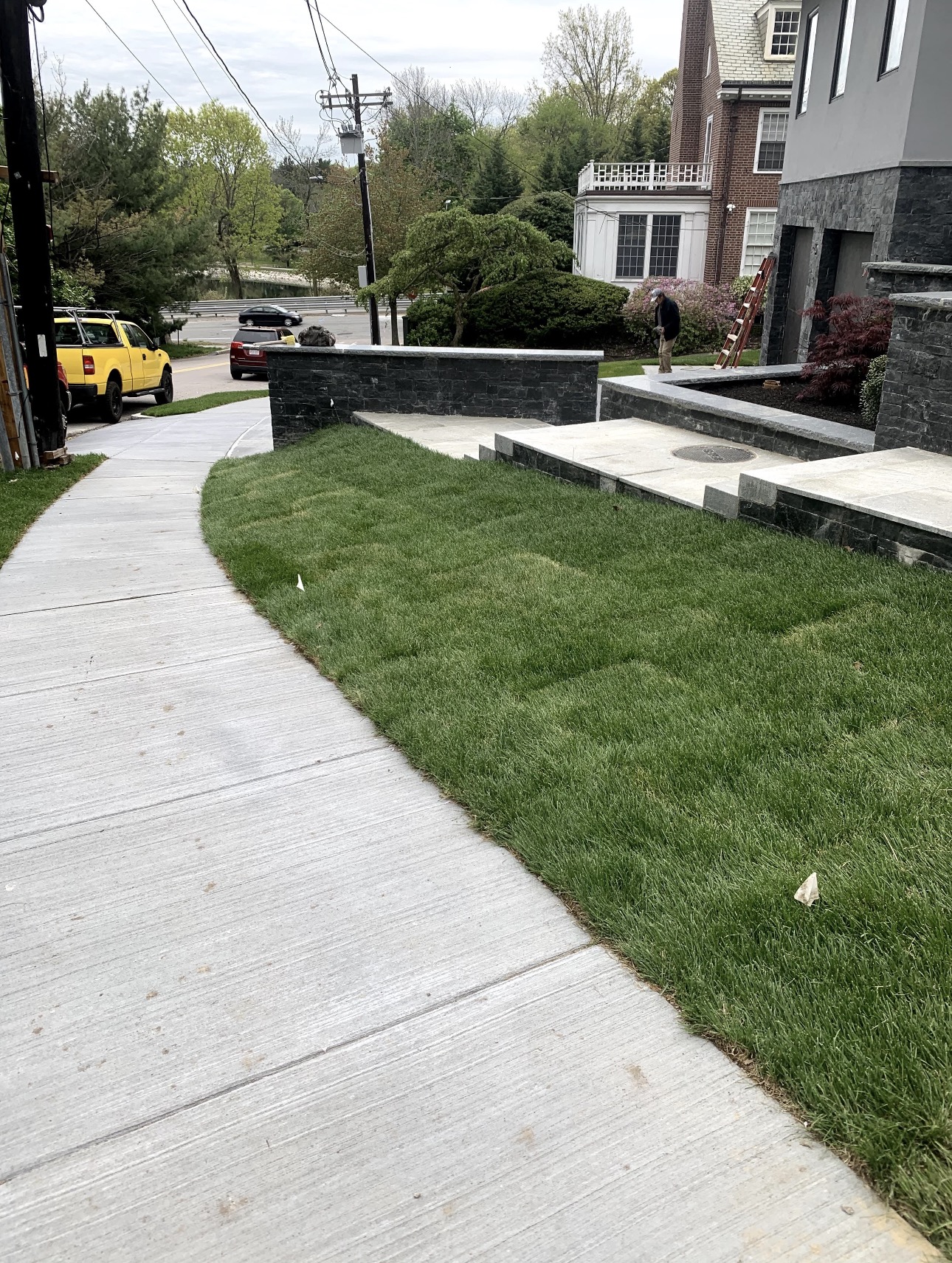
Custom Stone Walls & Retaining Structures
New England ground moves. Between heavy autumn rain and deep winter freezes, a stone wall without a proper footed base will lean within three years. We excavate down past the frost line, compact crushed stone, and hand-select each fieldstone or granite block. Whether it is a dry-stacked boundary line or a mortared structural retaining wall, we build it to stay put.
Explore Stone Walls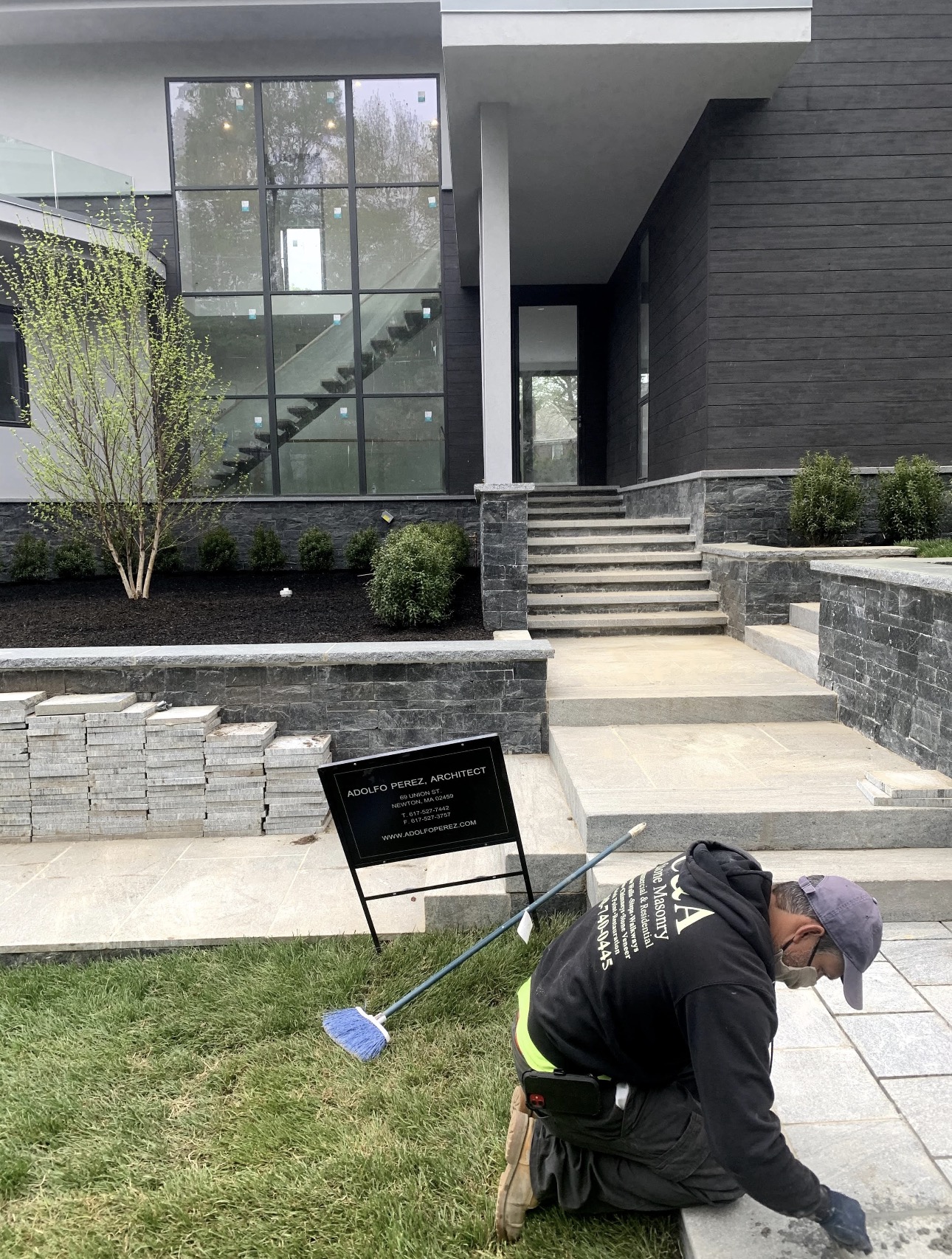
Stone Steps & Walkways
Steps take the brunt of winter salt and heavy boots. We set solid granite steps and lay bluestone walkways on deep gravel beds packed tight. We space joints properly and use high-strength mortar or polymer sand so water can't settle underneath and pop the stones loose when it freezes.
See Walkway Layouts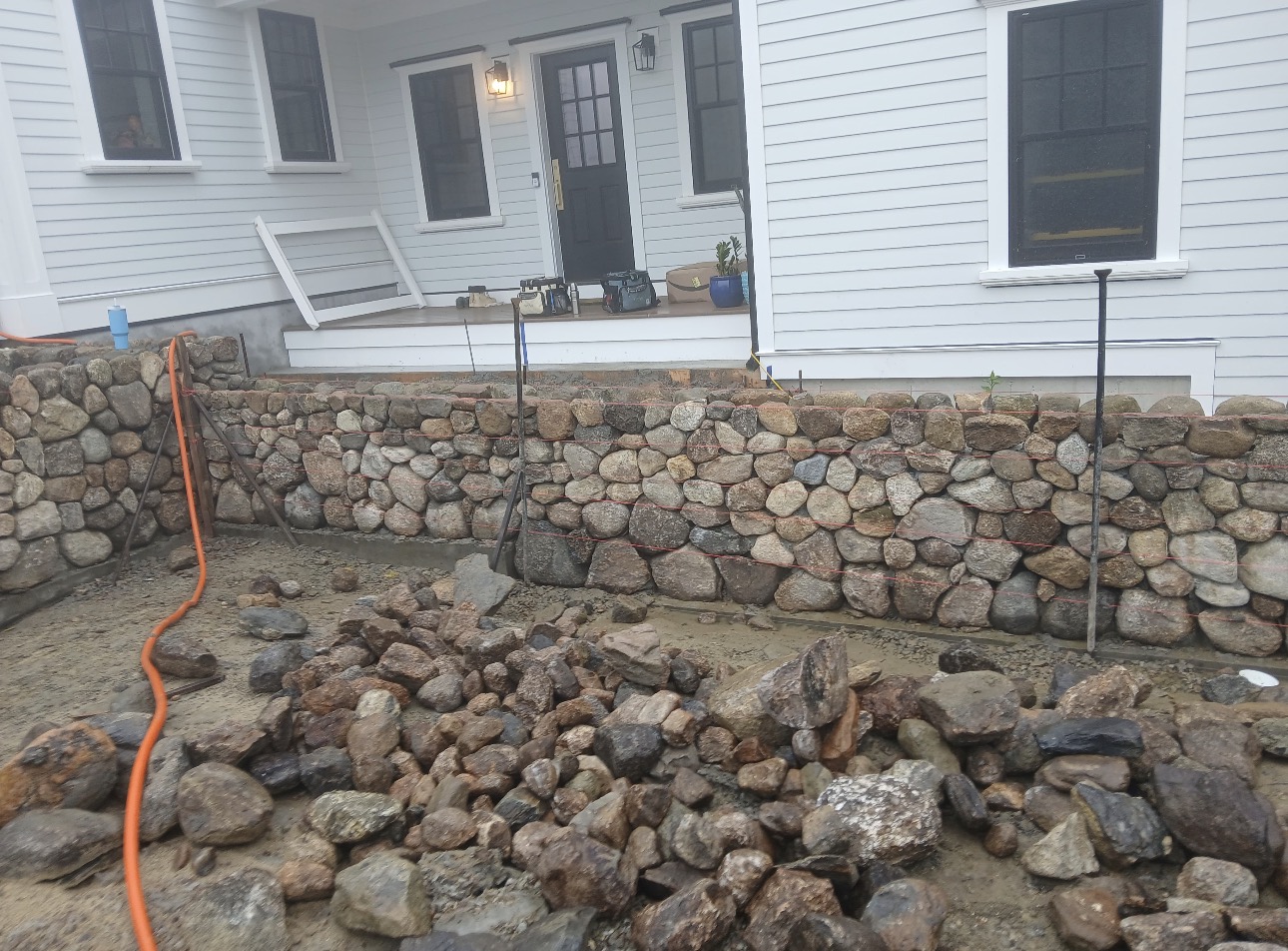
Outdoor Patios
A patio shouldn't hold puddles. We pitch every layout by a fraction of an inch per foot to guide water completely away from your house foundation. Using irregular flagstones, uniform bluestone pavers, or brick, our crew fits each piece closely to minimize wide mortar gaps.
View Patio Designs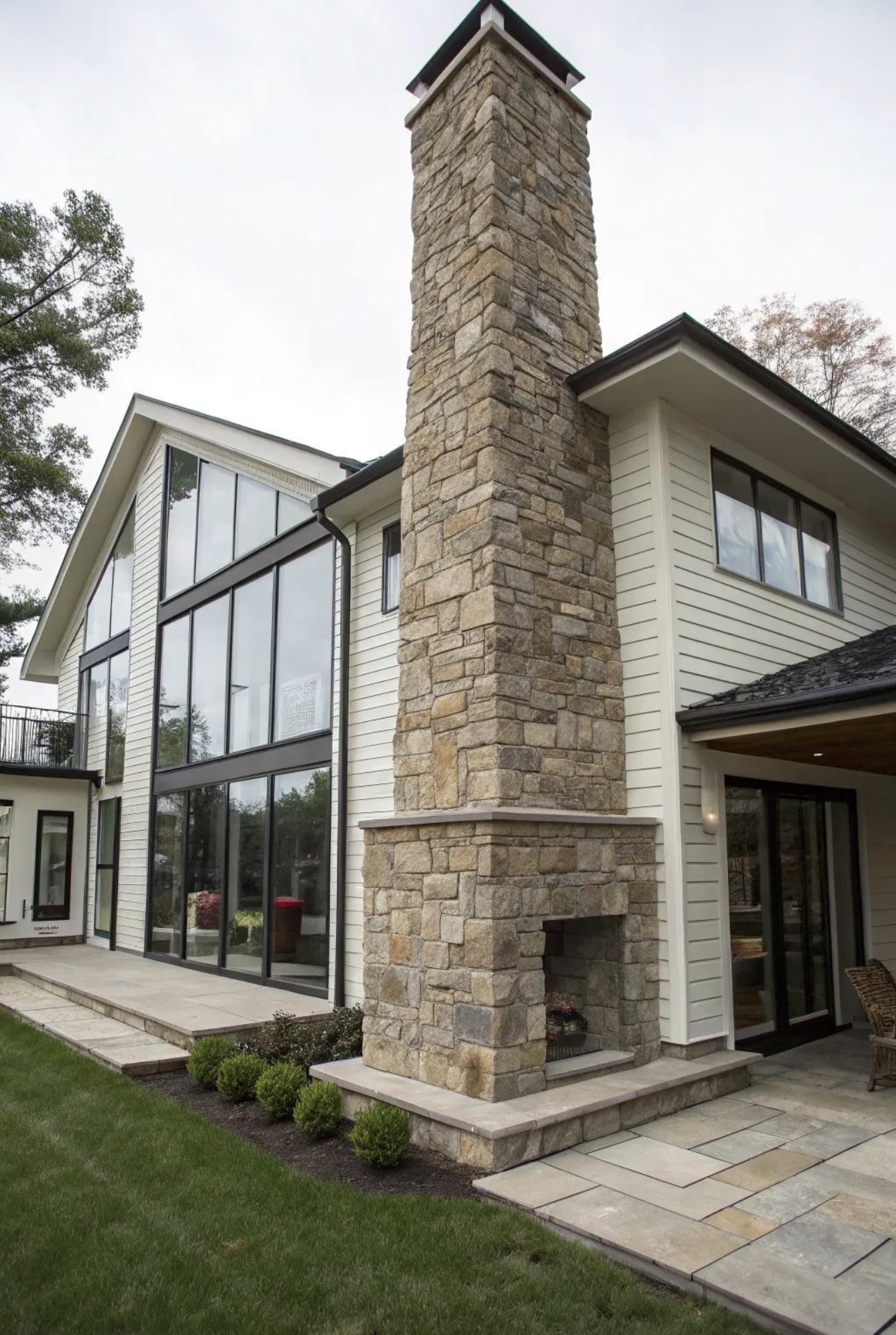
Chimneys & Brick Pointing
Old chimneys fail from the top down. Water gets behind cracked mortar joints, expands during a freeze, and breaks the faces off the brick. We grind out the crumbling mortar deep into the joint, wash the stone or brick clean, and pack in fresh historic-grade mortar that seals out moisture while letting the structure breathe.
Brick Restoration Details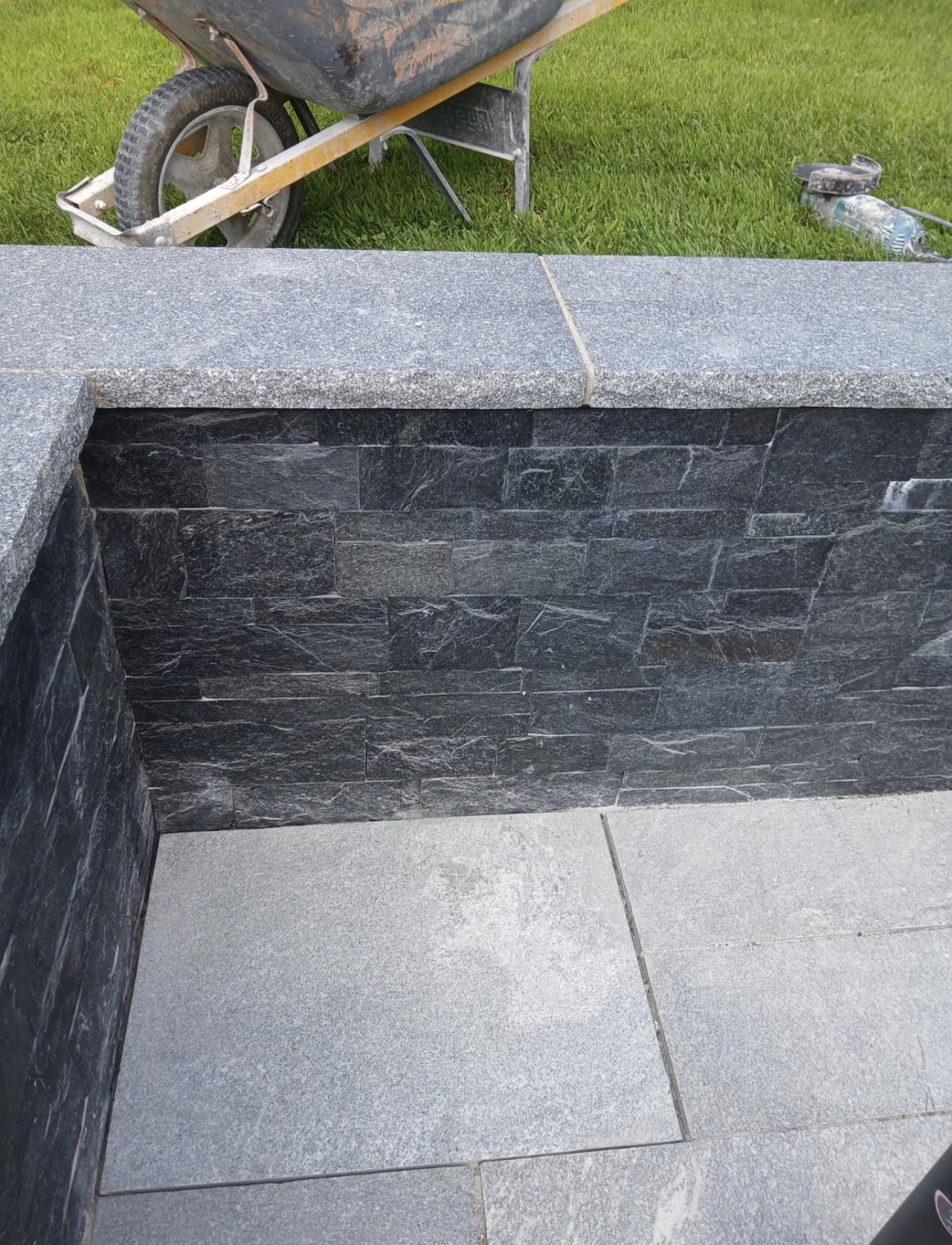
Architectural Stone Veneer
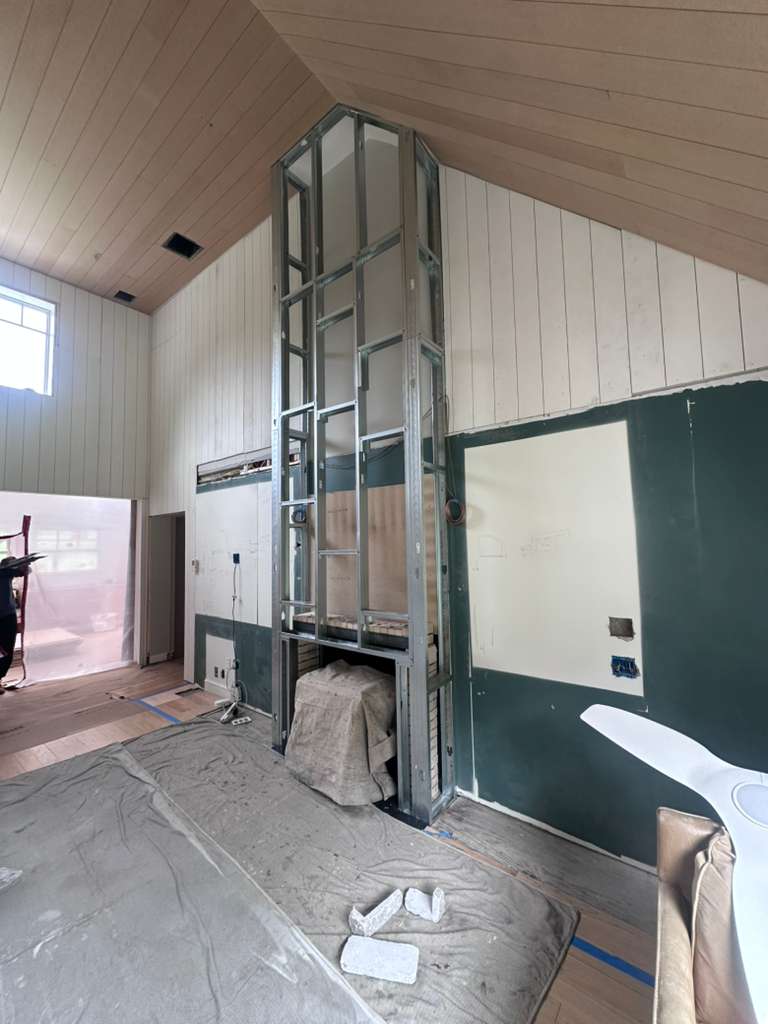
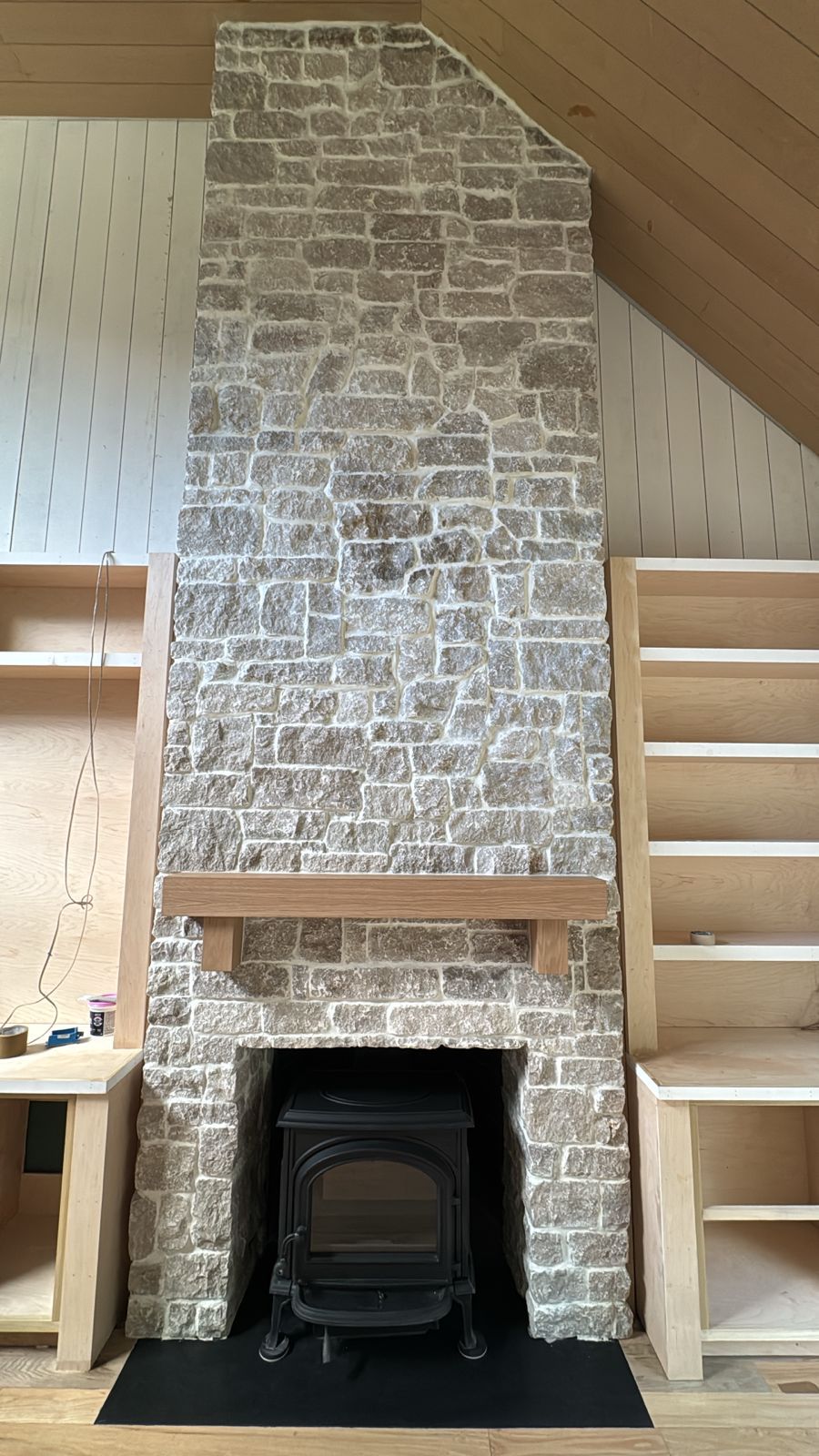
Get the weight and look of full-bed stone without the structural footprint. We install interior and exterior stone veneer on foundations, fireplaces, and accent walls, ensuring proper flashing and moisture barriers over the existing framing grids.
Stone Veneer Gallery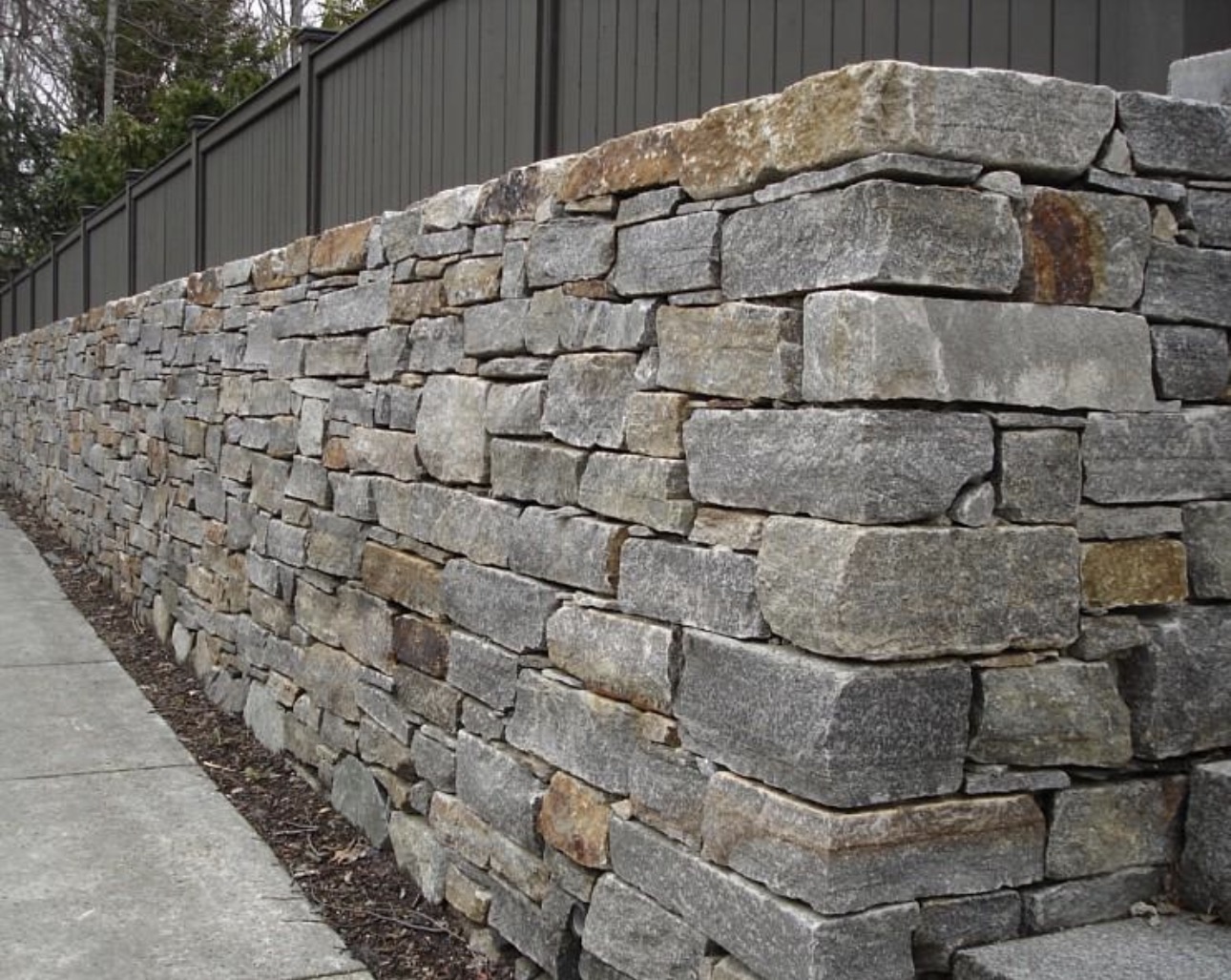
Masonry Restoration
Preserving the integrity of classic brick foundations and historical structural work. We evaluate existing lime-mortar parameters and execute precise stone matching to protect building history while securing structural durability under current Massachusetts building codes.
Explore Restoration WorkProject Transformations: Before & After
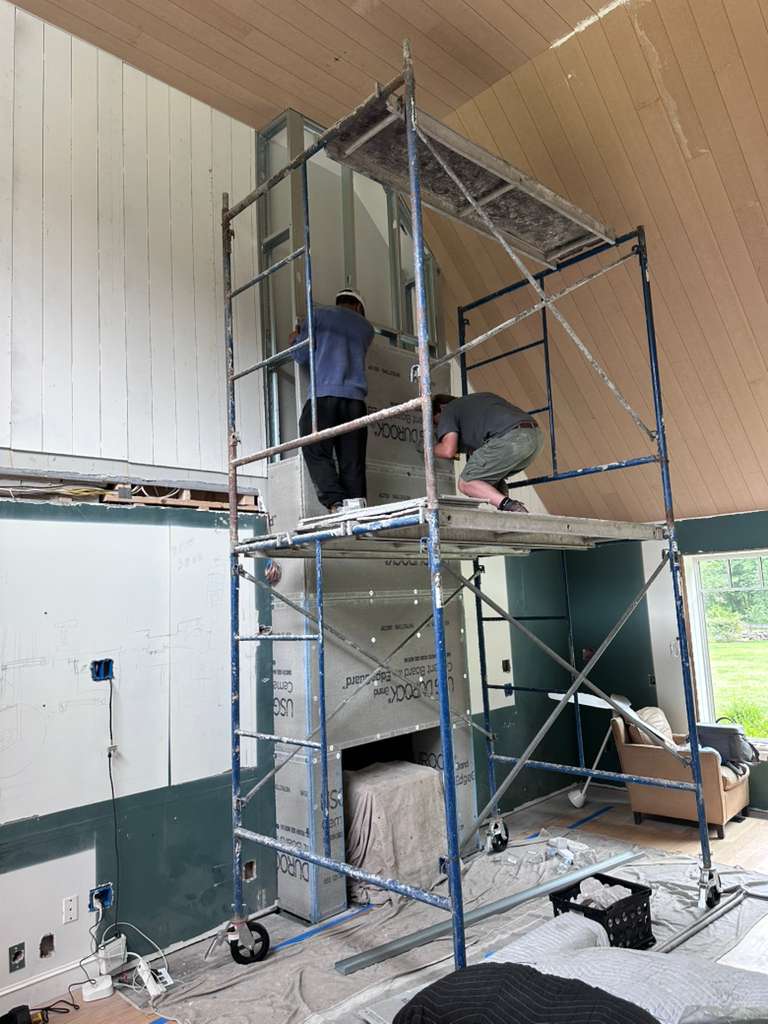
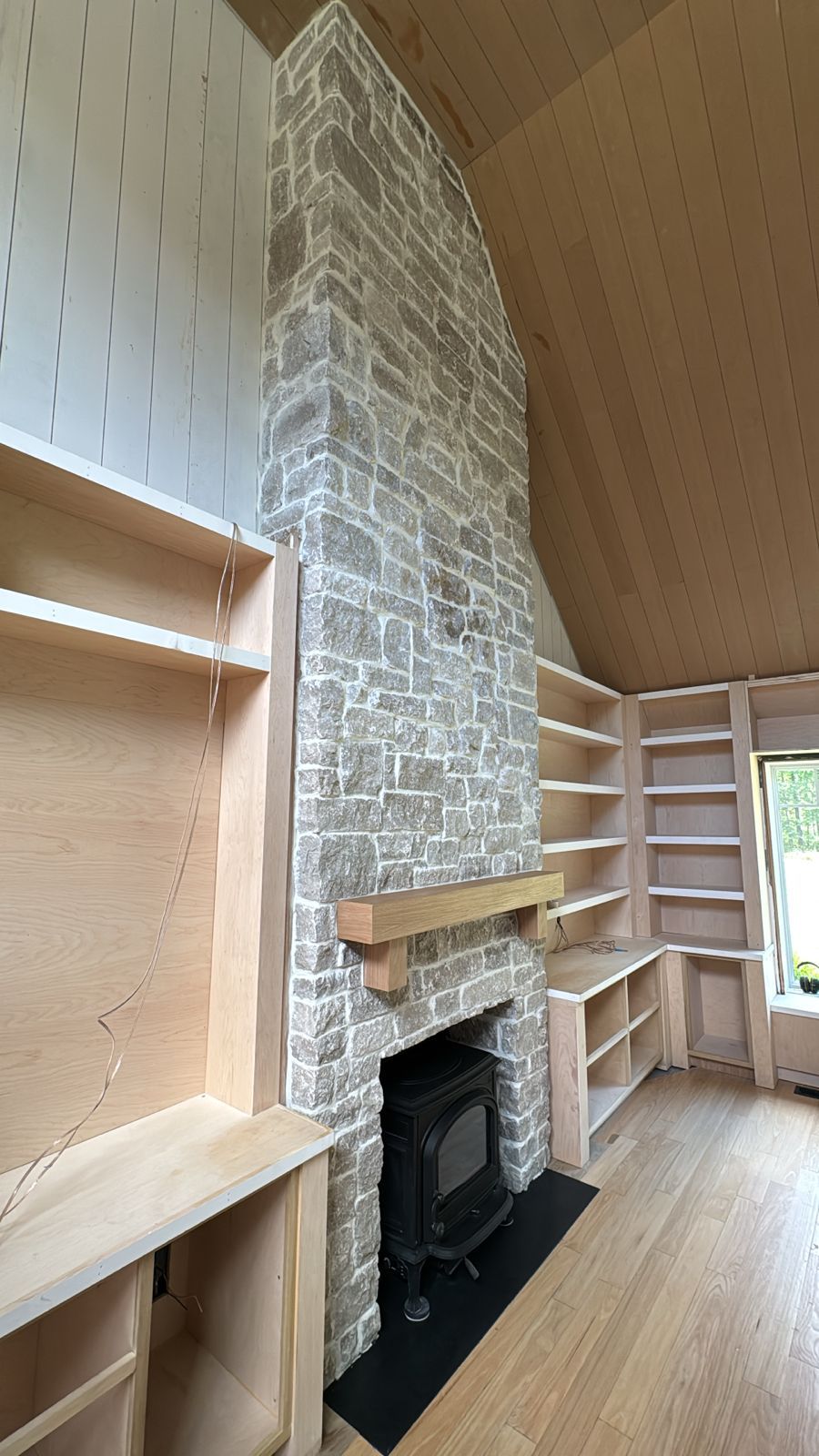
The Concrete Truth About Our Work
Site Assessment
We check your property’s slope, soil composition, and drainage patterns before writing an estimate.
Base Prep
We excavate deep enough to bypass the frost line and pack structural gravel to prevent future sagging or frost heaves.
Hand-Chiseled Fit
Every single piece is hand-selected and split with a chisel for a tight, organic pattern that locks together structurally.
Clean Cleanup
We leave the job site clean. No stray mortar chips left in your driveway, and no ruts carved into your grass.
Frequently Asked Questions Regarding New England Stonework
How deep do you dig the foundation for stone walls and granite steps in Massachusetts?
We excavate down between 36 to 42 inches depending on the local municipality and specific soil layout. This ensures the structural gravel sub-base sits entirely below the New England frost line. If you skip this depth, moisture under the foundation freezes, expands, and pushes your masonry upward, creating cracks and leaning walls within few winter seasons.
What is the difference between dry-laid and mortared stone installations?
Dry-laid stone structures rely on precise gravity joints and a gravel core. They naturally flex with the changing ground temperature and allow water to weep right through the seams. Mortared walls are rigid; they require an absolute solid concrete footing to prevent any movement. If water traps behind a mortared structural wall without proper weep holes, it will break the bond when temperatures drop.
Do you match historical mortar when doing brick pointing on older homes?
Yes. Old brick foundations and chimneys built before the mid-1900s used lime-based mortars, which are softer than modern Portland cement. If you pack hard Portland mortar into an old brick joint, the expanding moisture will crush the historic brick faces instead of giving way. We match the structural integrity, color, and texture of the original lime mix to protect old masonry.
Why does the stone or brick on my chimney flake off over time?
That damage is called spalling. It occurs when water penetrates the surface of porous stone or failing mortar joints, then hits a freeze cycle. The water turns to ice, expands, and physically snaps the face off the stone or brick. Regular pointing maintenance and solid chimney cap inspections prevent water from taking root inside the vertical structural framing.
Stone Mason Near Me in Massachusetts
Our crews operate across two distinct regions in Massachusetts, keeping trucks fully equipped for local soil conditions, structural demands, and municipal codes.
Before starting a heavy structural wall or patio layout, make sure to check the Massachusetts State Building Code or consult your local town hall regarding property lines and setback rules.