Masonry Restoration Services in Massachusetts Configured for Period-Accurate Structural Matching
Preserving century-old brick foundations and historic stone structures requires a strict understanding of original material densities. Applying hard, modern Portland cement over historic soft clay bricks creates a structural trap; the rigid mortar blocks natural moisture evaporation, causing the original brick faces to spall, fracture, and crumble under New England's extreme freeze-thaw shifts. At Castone Masonry, we respect historical engineering. Our crew clears deteriorated joints, replicates period-accurate lime mortar formulas, and sources matching local materials to structurally secure historic residential assets without altering their original character.
Request a Restoration Consultation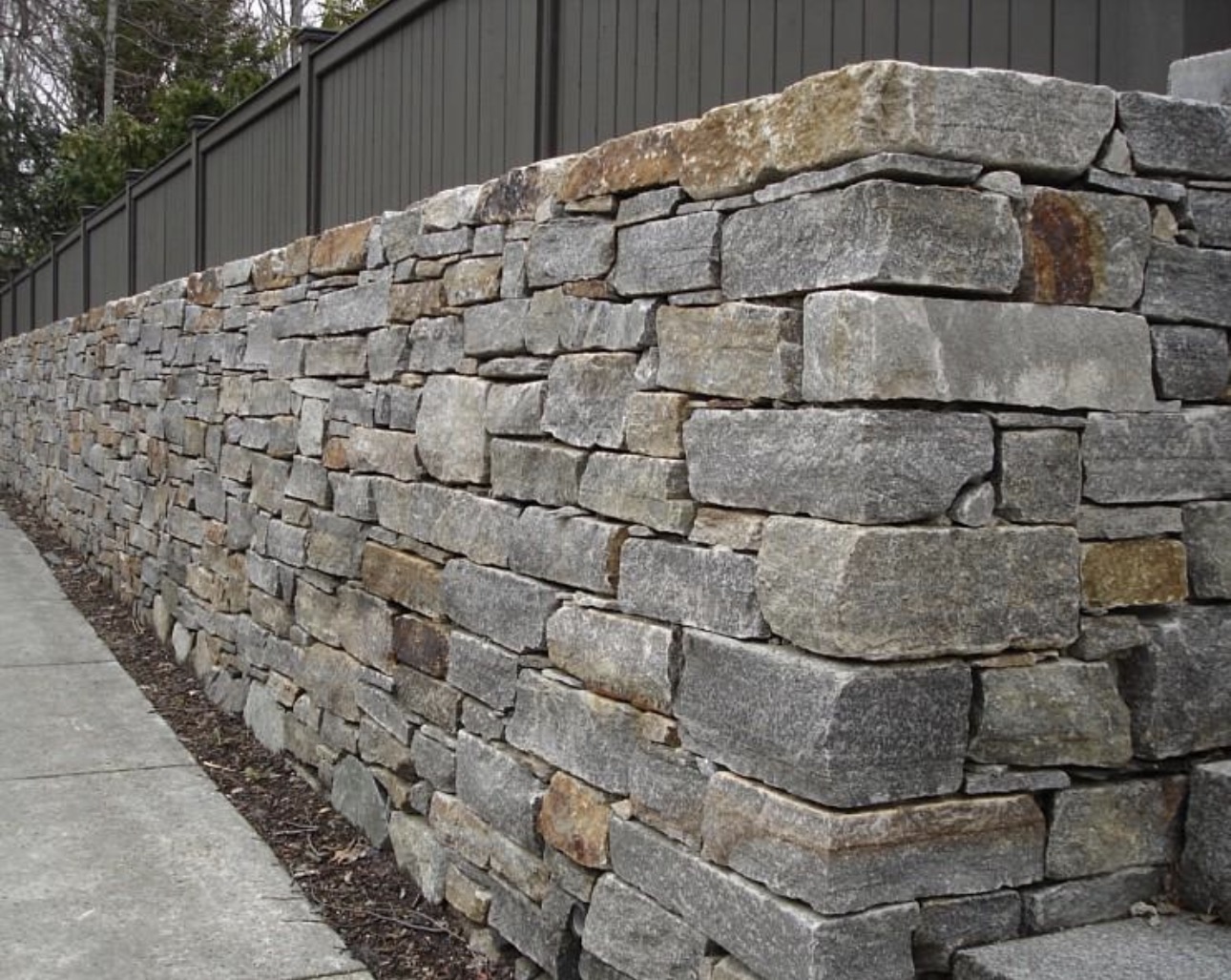
01. Compressive Strength Balancing
New mortar must always be softer than the surrounding historic brick or stone. We perform detailed site analysis to determine the accurate lime-to-sand ratio used in the original build, preparing custom low-compressive mortars that allow historic walls to breathe and flex safely across seasonal movements.
02. Mechanical Hand-Stripping
Using heavy commercial impact saws on historic brick walls destroys fragile clay corners. Our masons utilize specialized hand tools and low-vibration blades to scrape out failing mortar lines to a uniform depth of 3/4 inch, creating a pristine, squared structural pocket without scratching original faces.
03. Historical Aggregate Sourcing
Restauration fails visually when fresh patches look out of place. We analyze the grain size and color profile of the original sand aggregates, sourcing matching regional materials to replicate the exact texture, tone, and joint profile of your building's original architectural design.
Structural Preservation of Heritage Stone & Historic Brick
Historic Stone Foundation Stabilization
We rebuild and re-point historic fieldstone basements and structural fieldstone cellars that are letting moisture pass or buckling under grading changes. Our crew cleans out empty joint pockets, applies structural mortar washes, and patches missing foundation segments using period-matched stones to stop water infiltration and secure baseline floor frames.
Consult on Foundation Stabilization
Period-Accurate Brick & Mortar Replication
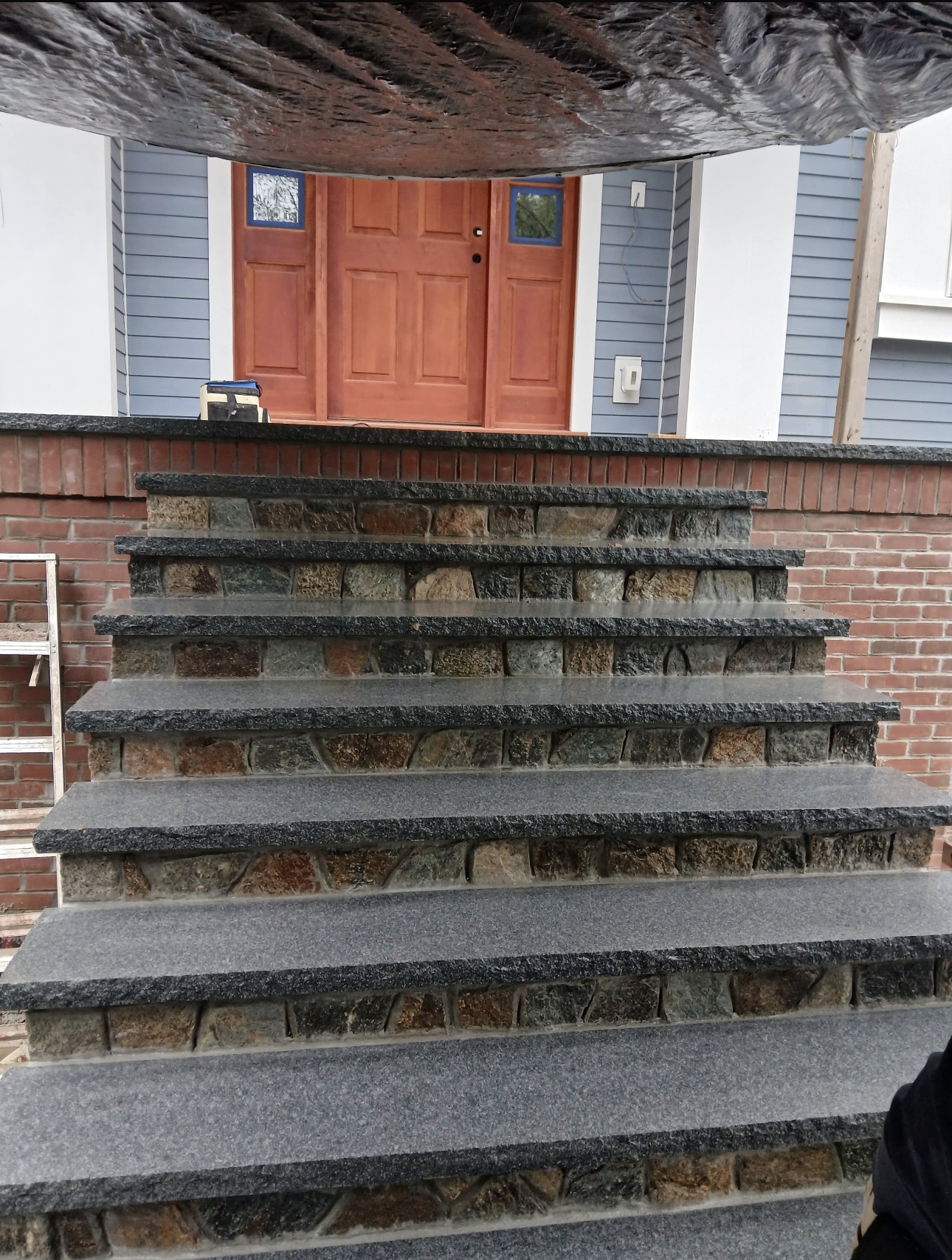
We execute precise spot restoration on weathered historic brick chimneys, retaining lines, and exterior residential facades. By tracking down historic clay bricks from local reclamation yards and using traditional trowel profiling techniques, our finished repairs match the look and feel of the original construction.
Request a Period Match EstimateFrequently Asked Questions Regarding Masonry Restoration
Why is modern Portland cement harmful to historic brick buildings?
Before the mid-1900s, bricks were fired in low-temperature kilns, making them soft and highly breathable. Modern Portland cement dries into an extremely hard, non-porous layer. When an old wall shifts or absorbs moisture, a rigid Portland joint blocks water from clearing and forces the soft brick to absorb the stress. This causes the historic brick faces to snap and crumble entirely.
How do you match the color and texture of hundred-year-old mortar joints?
We analyze the original mortar matrix to break down its contents. Sand color changes depending on the regional riverbed it was sourced from generations ago. We match that texture by securing local sands with identical grain sizes and utilizing natural lime binders, avoiding artificial liquid dyes that fade and stain under heavy sun exposure.
What are the signs that a historic stone foundation requires immediate restoration?
Keep a close eye out for active signs of shifting, such as powdery mortar dust piling on your basement floor, missing stones along the baseline walls, or wet bulging sections after heavy rainstorms. If you can slide a screwdriver completely through a joint line without resistance, the mortar binder has turned back to sand, and the wall needs structural re-pointing.
Masonry Restoration Contractor Near Me in Massachusetts
Our restoration masons transport historic tools, custom lime binders, and reclaimed materials directly to residential properties across Massachusetts, keeping trucks fully equipped to execute work within municipal preservation guidelines.
Restoring residential property listed within local historic zones requires strict alignment with structural conservation laws. You can verify historic district lines and guidelines via the official Massachusetts Historical Commission (MHC) or cross-reference preservation code parameters with your local town landmark committee before scheduling any masonry alterations.