Professional Stone Mason in Lincoln, MA – Engineered for Glacial Till & Rustic Aesthetics
Constructing interlocking dry-laid fieldstone walls, custom bluestone courtyards, or structural chimney pointing near Sandy Pond demands a dedicated architectural strategy. Lincoln’s rural, heavily conserved landscape features dense glacial till, massive buried erratics, and water-retaining clay subsoils. Placing heavy stone structures or flat flagstone terraces along Route 2A or Sandy Pond Road without deep excavation past the 48-inch regional frost line triggers immediate lateral shifting and joint lifting during winter freeze cycles. At Castone Masonry, we eliminate frost-heave risks. Our crews clear underground structural obstructions, pack wide engineered aggregate drainage fields, and hand-chisel native New England stones to guarantee your luxury estate hardscaping remains flat and structurally sound permanently.
Request an On-Site Estimate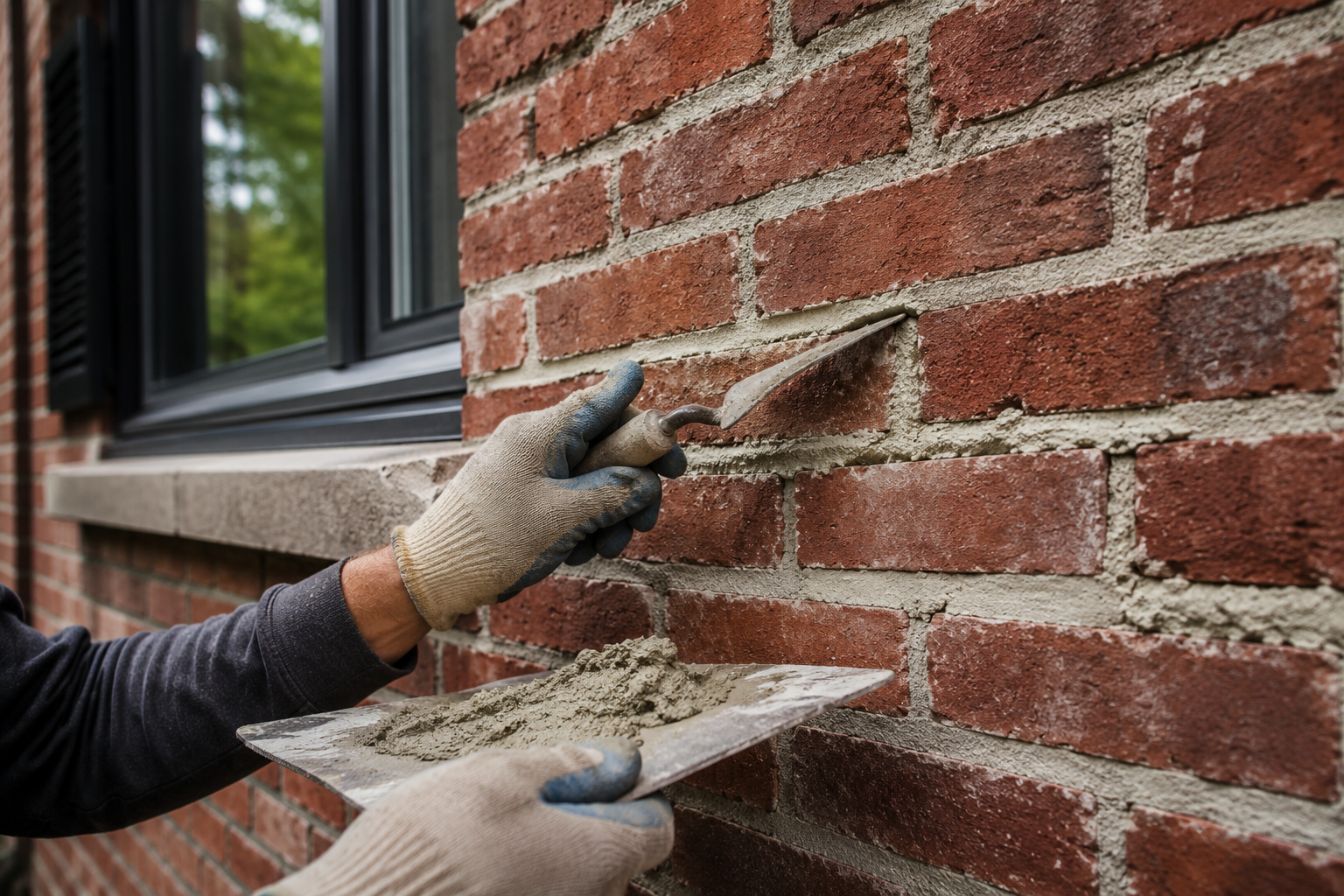
Engineering Standards for Lincoln Conserved Landscapes
Glacial Till Clearance
Lincoln’s subsoil is packed with dense, compressed glacial till and heavy subterranean boulder runs. We utilize heavy excavation equipment to extract these erratic rocks beneath all hardscape footprints, establishing a perfectly uniform and balanced aggregate foundation.
Historic Fieldstone Continuity
Maintaining the classic rustic aesthetic of Lincoln’s historic agricultural boundaries requires specialized stone selection. We hand-select local New England fieldstones, balancing colors and textures to replicate century-old dry-laid techniques while utilizing modern anchoring systems.
Permeable Wetland Buffers
Properties close to local ponds and protected woodland brooks face strict run-off limitations. We design our custom flatwork installations using open-graded aggregate layouts and breathable joint systems that allow heavy rains to drain straight down into the subsoil naturally.
Frequently Asked Questions Regarding Lincoln Masonry
Why do historic dry-laid fieldstone walls in Lincoln bow or collapse outward?
Bowing and collapsing are direct results of winter frost forces acting on poorly drained soil. Lincoln’s dense clay and organic loams hold water right behind the stone boundary. When temperatures freeze, the water turns to ice and expands, pushing the stones out of alignment. We prevent this by installing a wide backfill curtain of clean, washed angular gravel behind our walls, giving water a path to escape downward before freezing.
How do you build stone paths and patios around protected mature woodlands in Lincoln safely?
Lincoln enforces strict woodland canopy and root protection parameters. Traditional heavy excavation slices through critical root networks, shock-killing old-growth trees. We deploy specialized air-spade excavation tools that remove soil safely using compressed air without cutting vital roots. We then bridge the patio framework over the roots using dry-laid structural stone piers or highly porous gravel beds.
What parameters require Lincoln Conservation Commission review for hardscaping?
Any masonry, hardscaping, grading, or excavation planned within 100 feet of Lincoln’s extensive wetlands, vernal pools, ponds, or resource boundaries requires a formal filing with the town Conservation Commission. We focus our designs on highly permeable, dry-laid natural stone systems that minimize environmental runoff, satisfying municipal code regulations cleanly.
Stone Mason Near Me in Lincoln
Our specialized service vehicles and material flatbeds operate daily along Route 2A, Sandy Pond Road, and throughout the rural estate lanes of Lincoln, bringing raw New England fieldstones, building granite, and expert stonemasons directly to your project plot. We handle all logistics and filings to fully honor town historic guidelines, landscape neighborhood preservation codes, and local environmental rules.