Professional Stone Mason in Concord, MA – Engineered for Historic Preservation & River Silts
Constructing architectural bluestone courtyards, historical fieldstone walls, or structural chimney restorations near the Minute Man National Historical Park demands a specialized subsurface approach. Concord’s regional terrain features a delicate mix of water-saturated river silt near the Sudbury and Assabet convergence and pockets of dense clay around Walden Pond. Placing high-load entrance pillars or custom flagstone terraces along Route 2 or Elm Street without executing deep excavations down past the 48-inch New England frost line triggers immediate joint fractures and shifting stone runs. At Castone Masonry, we eliminate frost-heave failures. Our crews balance traditional lime-based craftsmanship with structural aggregate drainage to safeguard your historic estate permanently.
Request an On-Site Estimate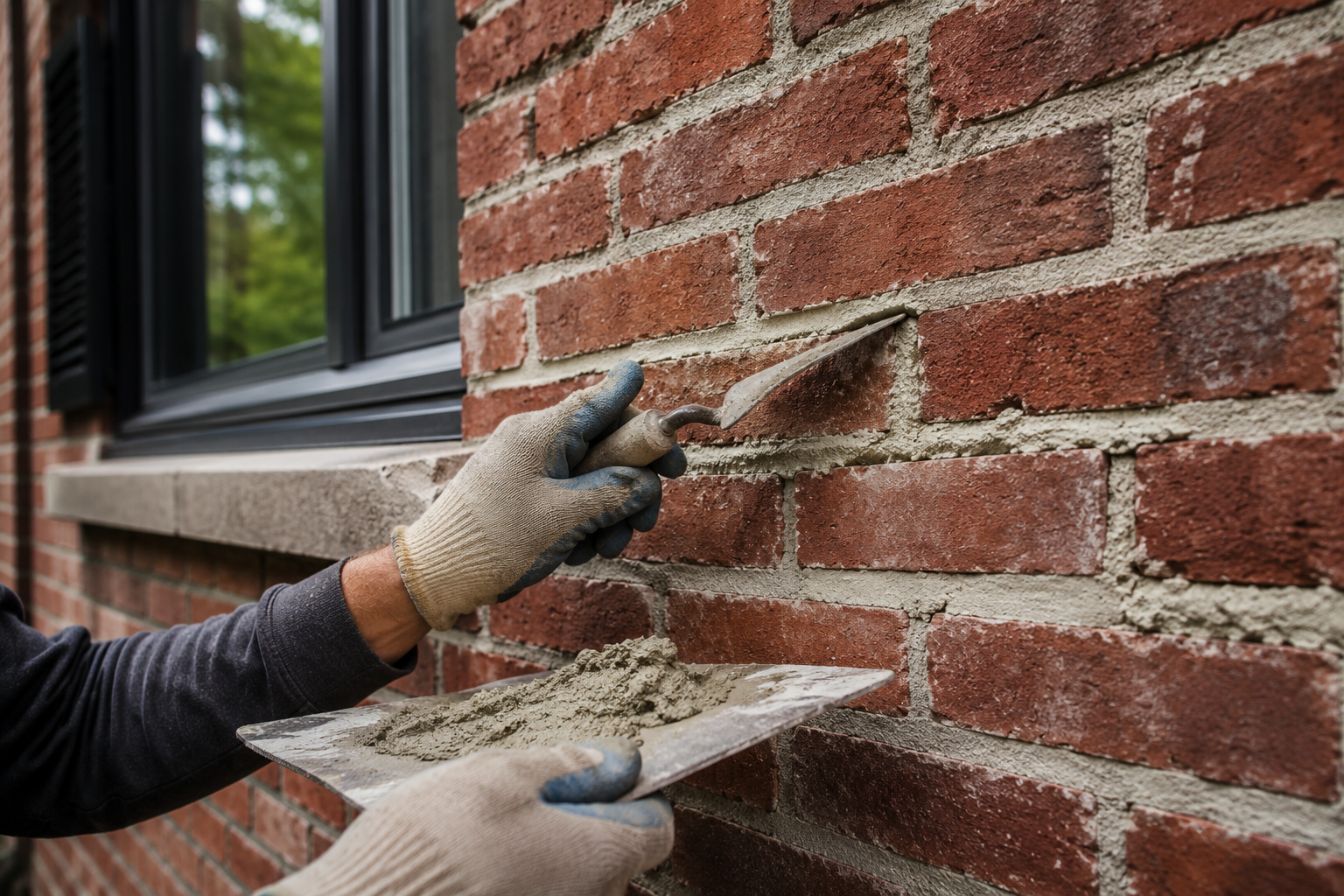
Engineering Standards for Concord Landmarks & Private Estates
River-Silt Base Stabilization
The fine aluvial sand and silt common to Concord lowlands lose density completely when saturated by seasonal river swells. We excavate broader foundation trenches, lining them with heavy structural geotextiles before mechanical-packing angular granite aggregate to stop lateral soil creep.
Historic Preservation Mortars
Repairing chimneys and fieldstone boundaries within Concord’s designated historic zones requires strict code matching. We ban rigid Portland cements on antique structures, utilizing custom-blended, low-compressive sand-and-lime matrices that allow early New England brickwork to flex harmlessly.
Hydrostatic Weep Fields
High water tables near ponds and riverways apply immense upward and outward pressure behind solid masonry features. We install wide gravel drainage backfills behind all vertical walls and embed dedicated weep outlets to clear subsurface water before it freezes and fractures joints.
Frequently Asked Questions Regarding Concord Masonry
Why do historic stone walls and brick chimneys in Concord drop mortar or bow outward?
Bowing and mortar degradation occur when modern, non-permeable cement is used to repair antique masonry structures. Modern cement sets too hard and traps moisture inside the soft, early New England clay bricks or local fieldstones. During winter freezes, this trapped water expands into ice sheets, forcing the stone or brick faces to fracture and pop out of alignment. Re-pointing with soft hydraulic lime mortars resolves this cycle.
How do you stabilize bluestone and flagstone patios against Concord's high water tables?
To prevent frost heaving where groundwater sits close to the surface, we eliminate standard sand-bed methods. We place patios over an extra-thick foundation of open-graded crushed stone aggregates wrapped in protective geotextile fabrics. This creates an open drainage void that lets rising groundwater rise and fall naturally without freezing directly under the stones and pushing them out of square.
What are the guidelines for hardscaping and masonry within Concord historic districts?
Any exterior stonework, chimney rebuild, or wall construction visible from a public way within Concord’s historic zones requires a formal filing and approval from the Concord Historical Commission. We design our premium projects to match the precise colors, textures, and traditional joint styles of colonial architecture, streamlining municipal board approvals cleanly.
Stone Mason Near Me in Concord
Our commercial service flatbeds and field crews travel daily across Route 2, Route 2A, and throughout the historic ways of Concord, deploying raw New England fieldstones, building granite, and master stone masons straight to your residential lot. We handle all planning steps to remain fully compliant with the Concord Historical Commission, tree preservation ordinances, and state building codes.