Chimney Repair & Brick Pointing Engineered to Stop Structural Water Penetration
A chimney fails from the top down because it bears the full brunt of Massachusetts winter weather. When rain or melting snow enters hairline cracks in weathered mortar joints, it remains trapped inside the brickwork. As soon as temperatures drop below freezing, that water expands into ice, fracturing the mortar bonds and snapping the faces completely off the bricks. At Castone Masonry, we reverse this deterioration. We clean out hollow joints, match mortar density, and repair structural crowns to seal water completely out of your home framing.
Request a Restoration Estimate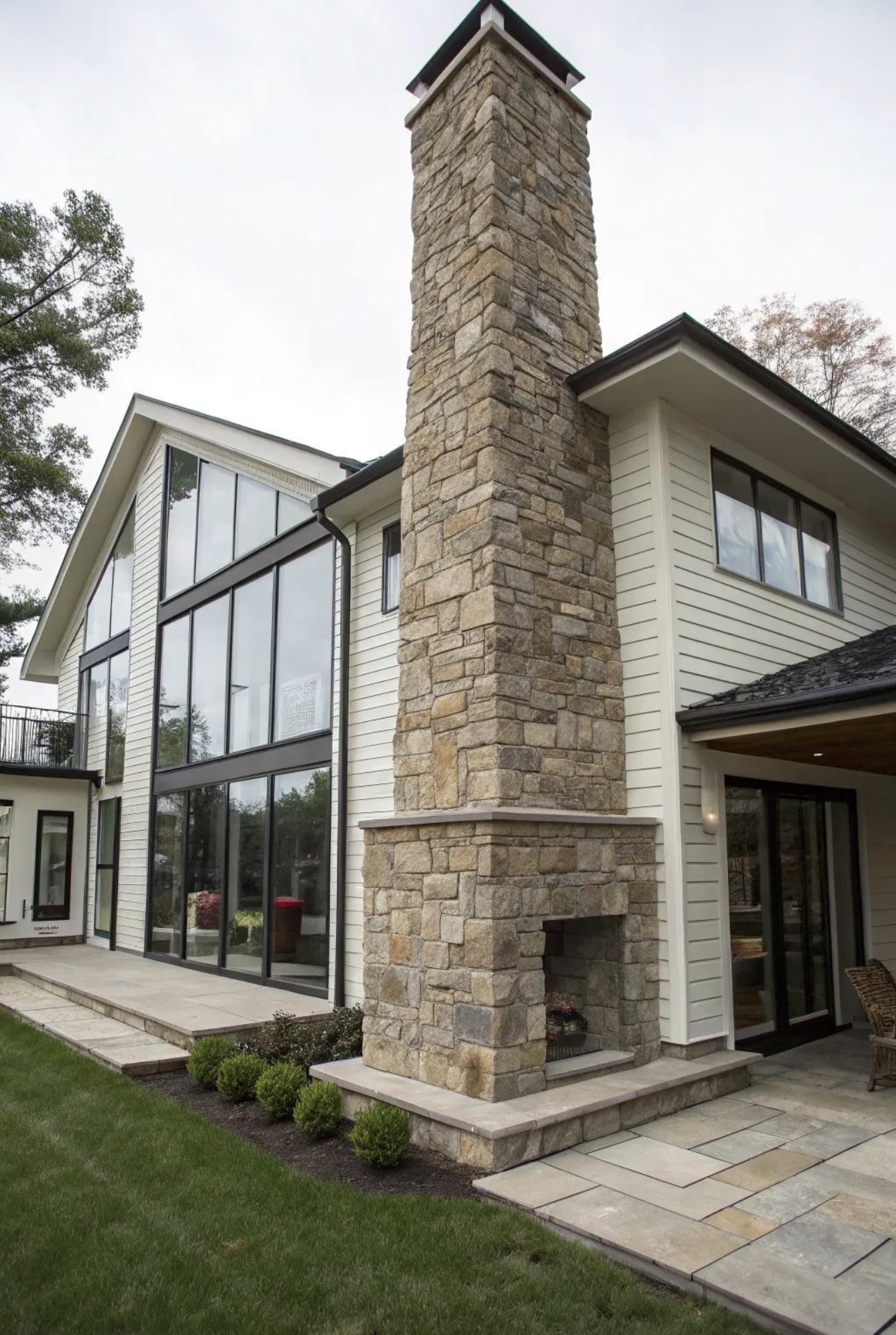
01. Precision Joint Grinding
We never paste new mortar directly over old, crumbling joints. Our crew grinds out damaged mortar lines to a uniform depth of 3/4 inch using diamond-blade tooling. This profile creates a deep structural channel, giving the fresh mortar a solid surface to grip and preventing the seams from peeling loose.
02. Historic Mortar Specification
Old brick structures require softer lime-based mortar combinations rather than rigid Portland cement. If you pack hard modern cement into an older brick framework, the shifting ground will cause the stiff mortar to crush the historic brick faces. We analyze and match original mortar flexibility to keep your walls breathing.
03. Crown & Flashing Seals
Most chimney leaks start at the top concrete cap or where the bricks meet your roof shingles. We build thick concrete caps with overhangs to guide rainwater clear of the brick faces. We also check and seal old lead flashing boundaries around the base to stop water from leaking down into your ceiling joists.
Preserving Historic Brick Foundations & Vertical Masonry
Chimney Repair & Top-Down Rebuilds
We handle complete vertical brick restoration on residential chimneys. From replacing single spalled bricks to tearing down and rebuilding structural brickwork above the roofline, our masons follow exact alignment parameters. Every course is laid level and backed with a weatherproof concrete wash to lock out rain and wind drafts completely.
Consult on a Chimney Rebuild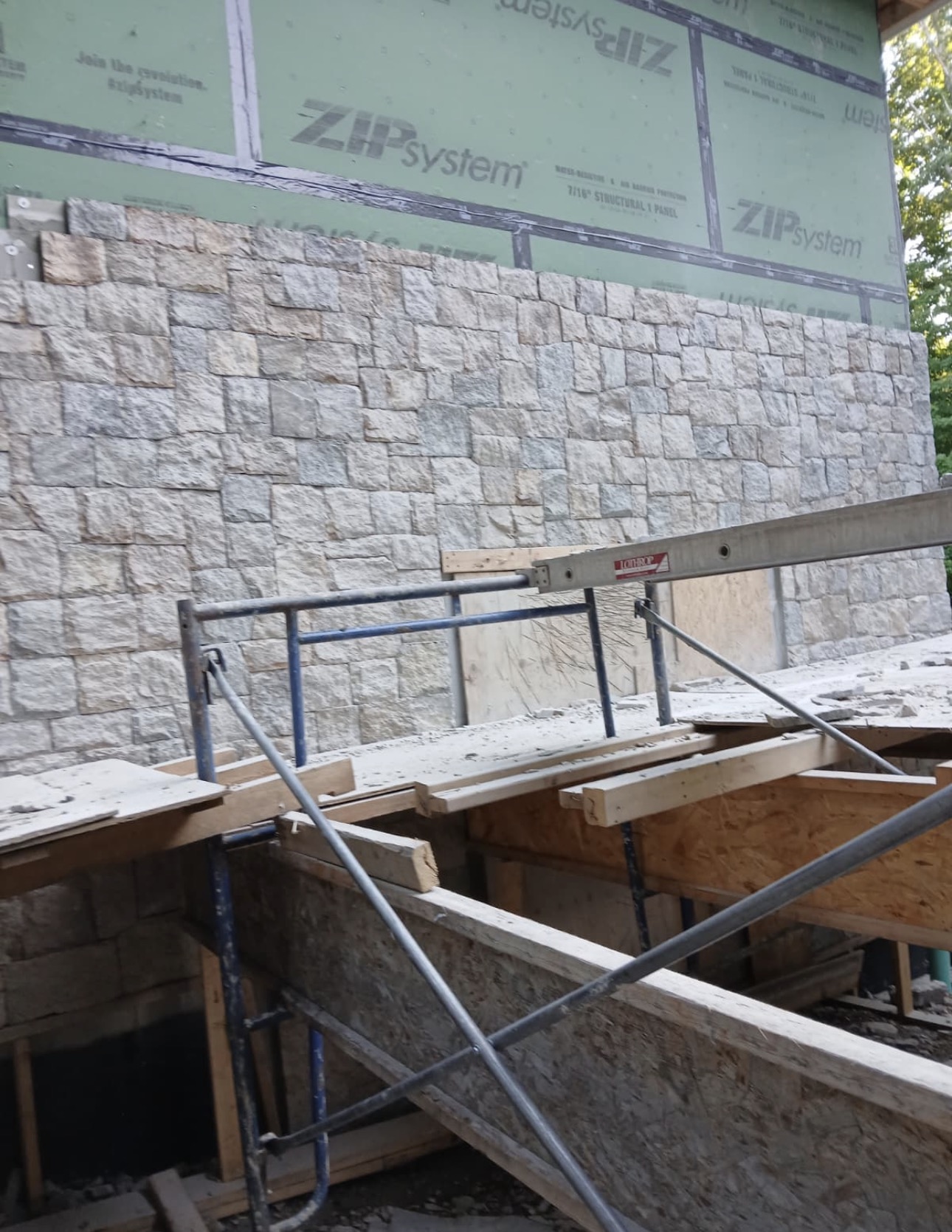
Historic Brick Pointing & Masonry Restoration
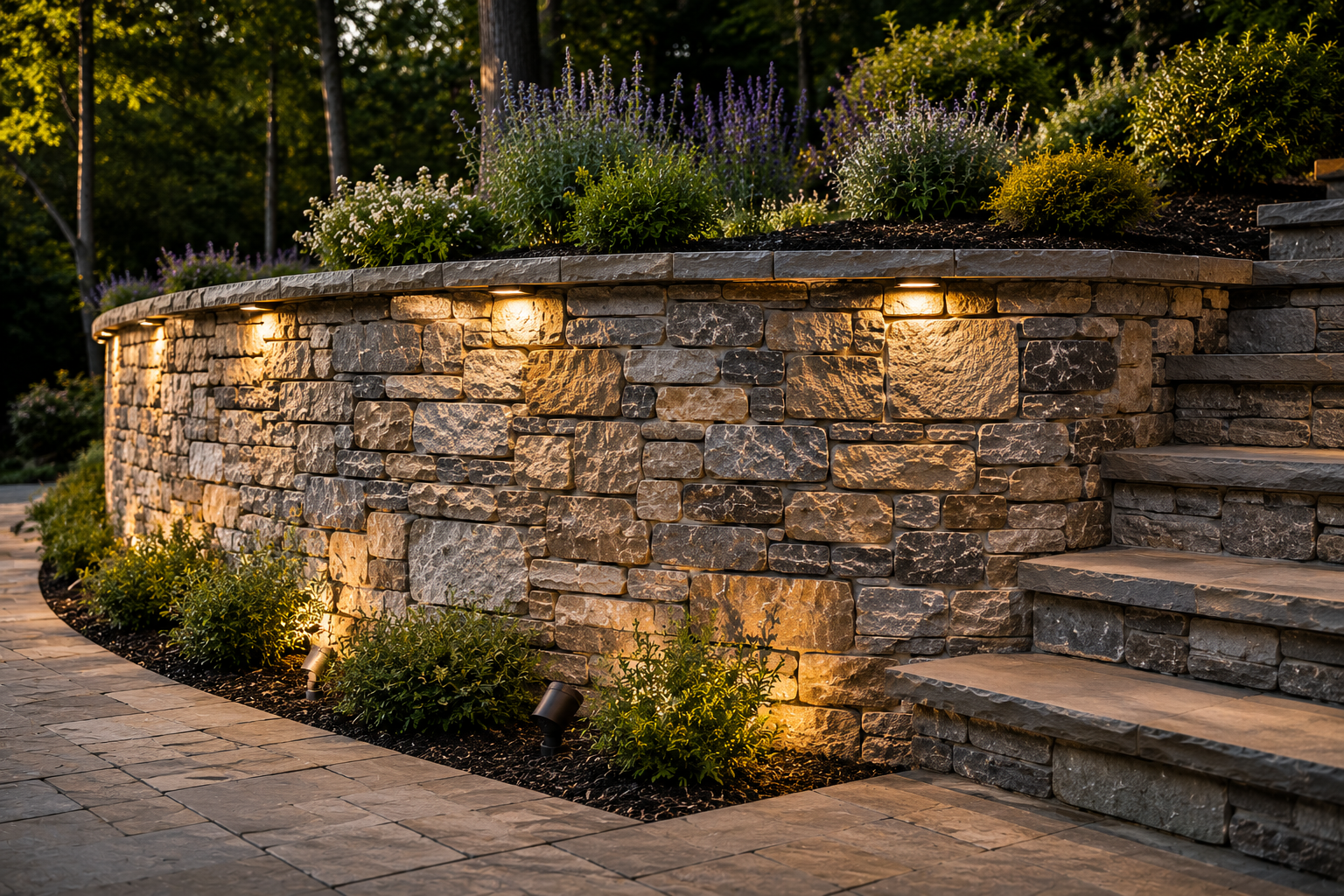
We point historic home basements, retaining elements, and exterior structural walls. We remove old, loose mortar without chipping the brick corners, wash the open seams clean, and hand-pack fresh mortar deeply into the joints. This detailed process keeps your exterior walls solid, dry, and structurally sound for decades.
Get a Pointing EstimateFrequently Asked Questions Regarding Brick Pointing
What is brick spalling, and why is it dangerous for my chimney?
Spalling occurs when the face of a brick cracks and peels completely off. It happens because porous clay absorbs water from failing mortar joints. When winter hits, that water freezes, expands, and breaks the brick from the inside out. Left unaddressed, spalling spreads quickly, destabilizing your chimney structure until it becomes a collapse risk.
Why can't I use standard home center mortar to point an old brick wall?
Standard retail mortar mixes rely heavily on Portland cement, which dries into an extremely dense, rigid glass-like state. Older residential brickwork (built before 1950) uses soft, clay-fired bricks that require flexible lime mortar. If the ground moves or temperatures change, a rigid modern mortar joint will refuse to flex, forcing the original bricks to crack and crush instead.
How long does a professional chimney repointing job last?
A precision brick pointing job executed with deep joint grinding, proper washing, and matching mortar compounds easily lasts between 25 to 30 years. Its durability depends entirely on the top concrete cap remaining sealed and the flashing at the roofline blocking leaks from finding a path down into the vertical brick walls.
Chimney Repair Contractor Near Me in Massachusetts
Our restoration crews transport heavy grinding equipment, scaffolding setups, and specialized historic mortars directly to residential zones across Massachusetts. We coordinate chimney updates to match structural fire codes.
Chimney structural changes and vertical ventilation work must align with specific safety codes. You can cross-reference ventilation requirements on the official Massachusetts Board of Building Regulations and Standards (BBRS) portal, or consult your regional fire safety officer regarding local chimney code updates.