Custom Stone Walls & Retaining Structures Built for Severe New England Frost Cycles
A retaining wall in Massachusetts fails when water stays trapped behind the stone during a hard freeze. When that trapped moisture turns to ice, it expands and pushes the structure forward, snapping mortar bonds and causing sections to lean. At Castone Masonry, we stop this cycle before it starts. We excavate deep structural trenches, lay heavy gravel foundations, and use raw New England fieldstone and split granite treads to assemble walls that stabilize slopes and establish clear property boundaries for decades.
Request a Structural Estimate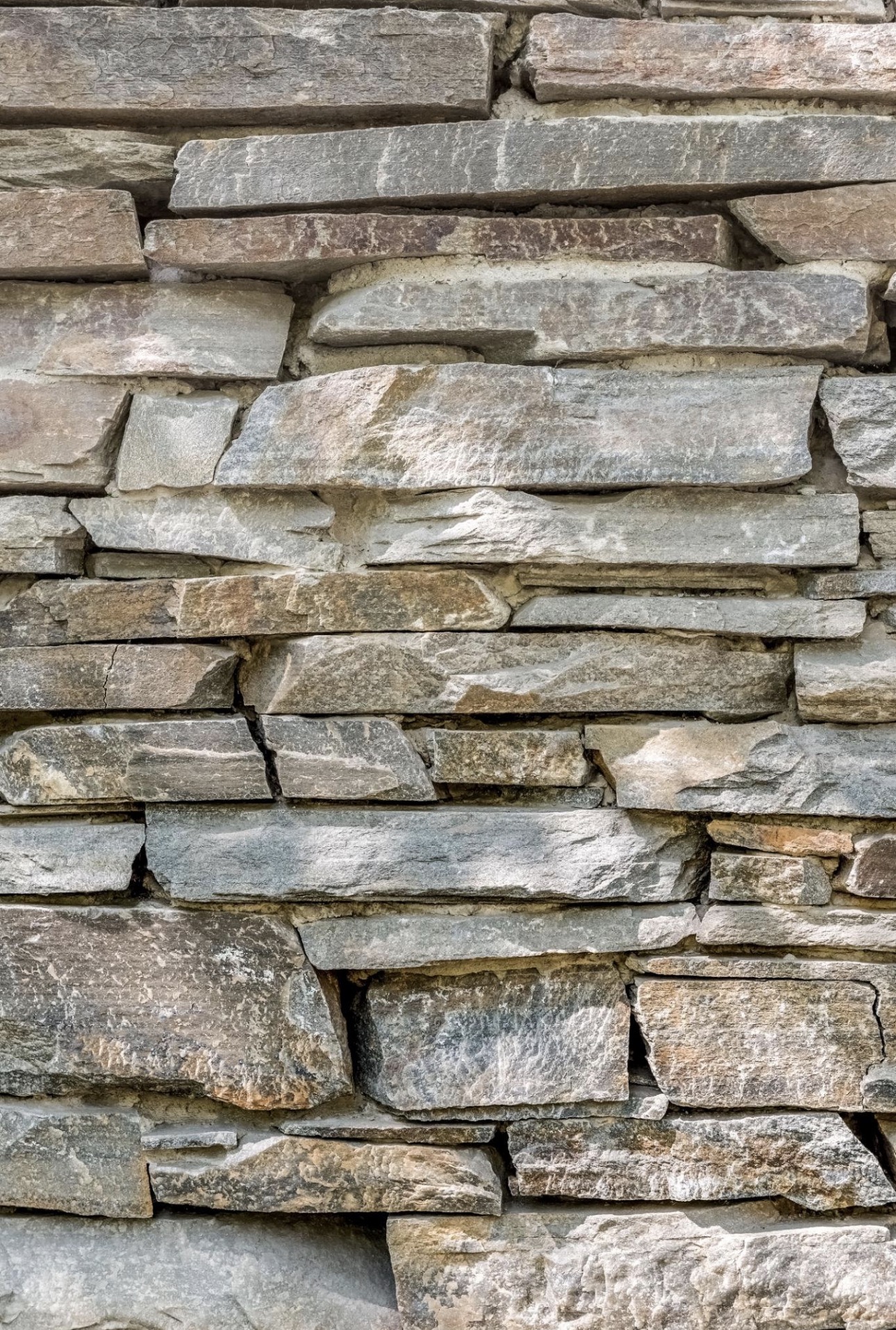
01. Foundations Below the Frost Line
Every stone wall we build starts with heavy ground excavation. We dig down 36 to 42 inches to clear the winter frost level. We backfill the deep trench with crushed stone gravel and compact it mechanically. This dense gravel bed allows sub-surface water to flow under the wall without freezing, lifting, or throwing the layout out of square.
02. Hydrostatic Weep Systems
Pounds of wet earth push against structural retaining walls after heavy autumn rain. To handle this weight, we place perforated drainage pipes behind the bottom courses of stone and cover them with clean gravel and woven filter fabric. This channel feeds surface water completely out through integrated weep holes, relieving structural strain.
03. True Gravitational Interlocking
Mortar is only used to seal joints, never to mask poor stone placement. Our masons shape every piece of raw fieldstone or granite block using hand chisels. By sorting stones by size and setting them with a slight backward pitch into the slope, the wall gains strength from its own weight and settles naturally over time.
Sourcing and Laying Stone Walls in Massachusetts
Structural Mortared Retaining Walls
We build heavy mortared structures to hold back structural grades, expand level lawn space, and secure driveway boundaries. These projects combine thick concrete footings with natural New England stones or squared granite pieces. Every joint is filled completely with weather-resistant mortar mixes, creating a solid barrier against erosion while keeping steep yard slopes securely in place.
Consult on a Retaining Layout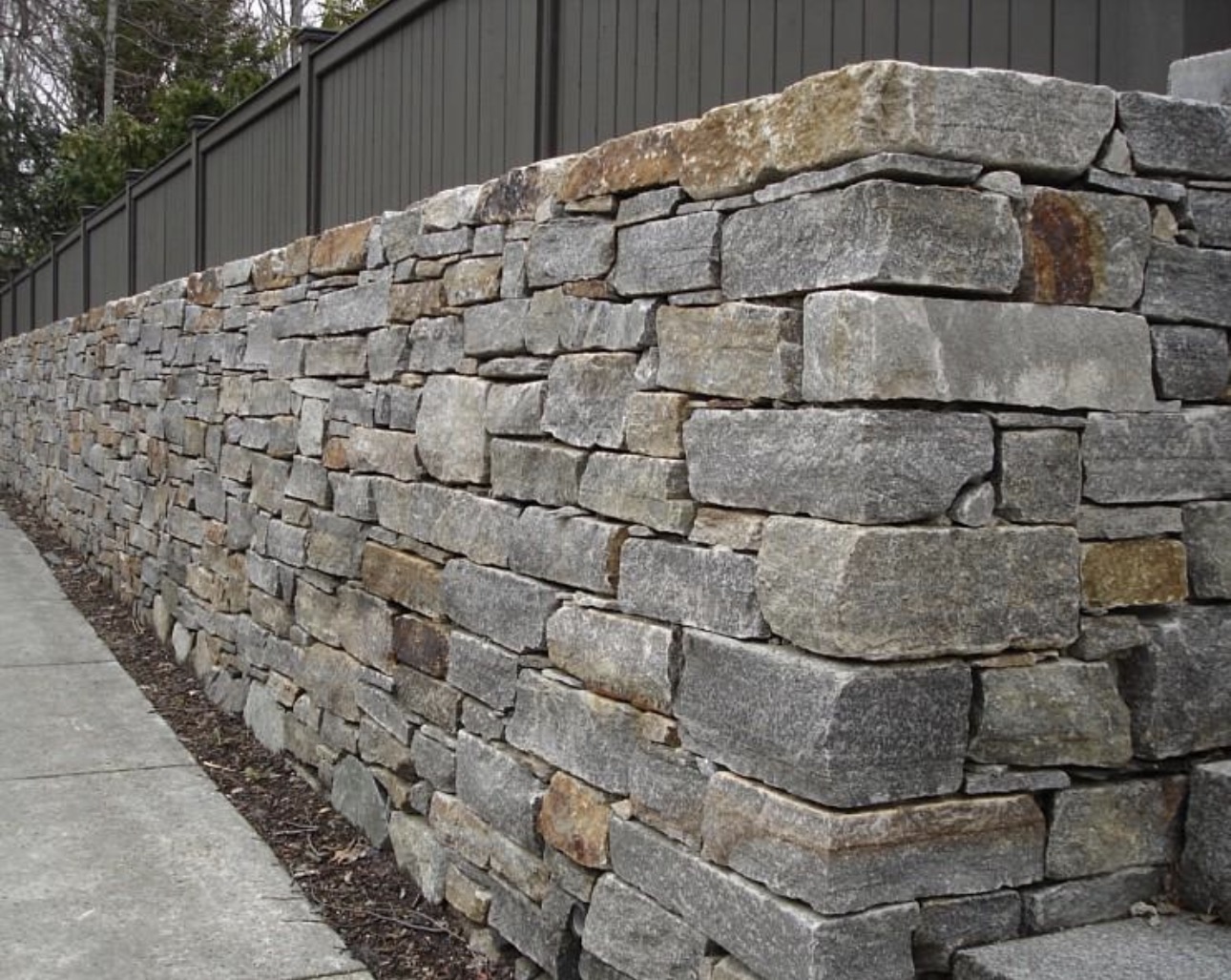
Dry-Stacked Fieldstone Boundary Lines
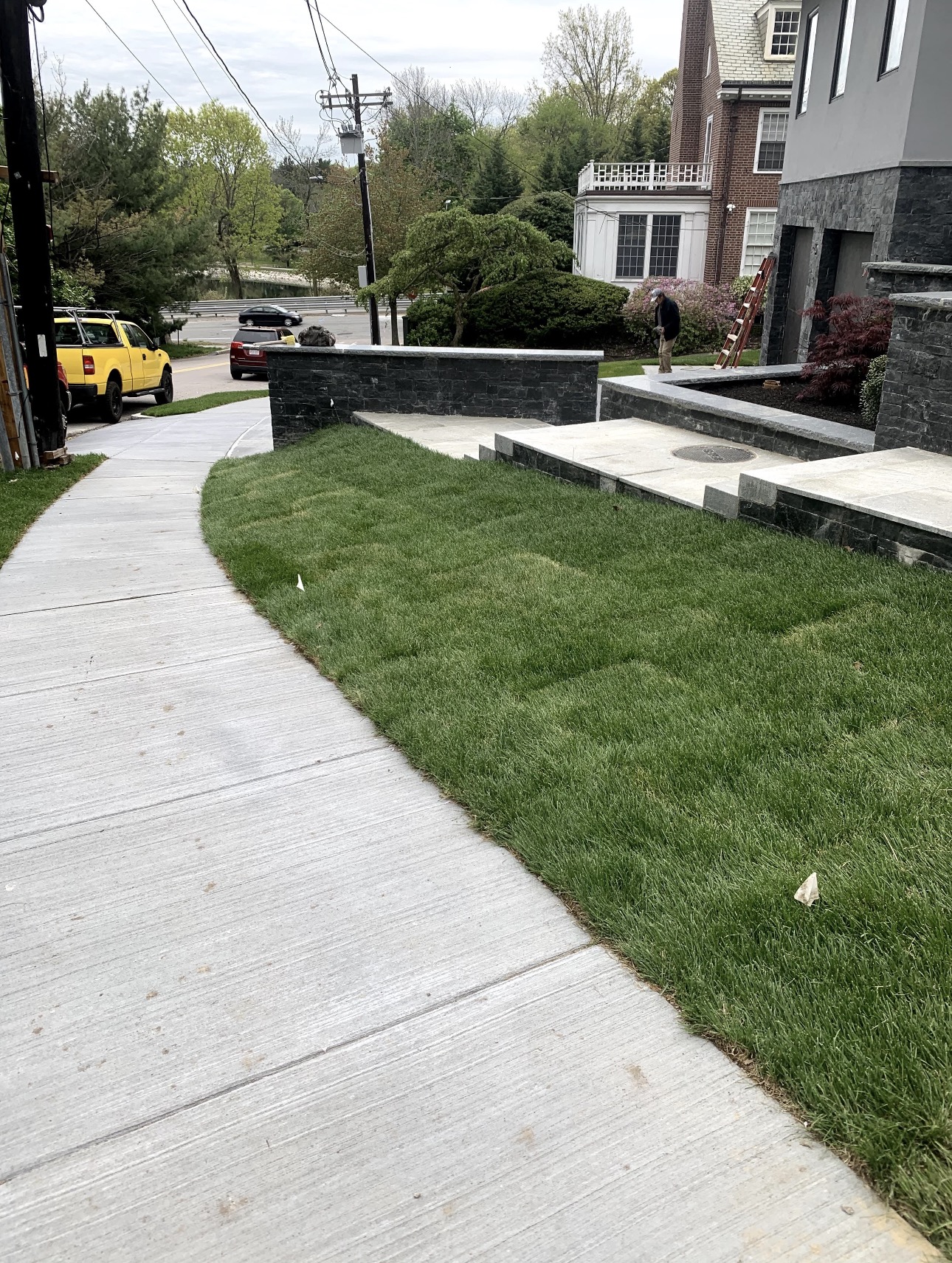
We stack dry fieldstone walls without a single drop of mortar, following traditional New England framing guidelines. We match and interlock raw stones tightly by hand. Because the structure features open seams, it naturally sheds rainwater and adapts to minor ground movements during winter thaws without cracking or losing its structural line.
Get a Boundary Wall EstimateFrequently Asked Questions Regarding Retaining Walls
Why is foundation depth so critical for stone walls built in Massachusetts?
Massachusetts features heavy silt and clay soils that trap water. When freezing temperatures strike, this water turns to ice and causes a phenomenon called a frost heave, pushing up with enough force to split stone bonds. By excavating down to 42 inches, we base the wall beneath the active freeze depth, ensuring the layout remains level regardless of surface conditions.
When is a structural building permit required for a stone wall project?
According to regional parameters, any retaining wall structural plan that holds back more than 4 feet of soil requires stamped structural engineering documents and an approved municipal permit before excavation begins. For smaller landscape partition walls and simple boundary lines under 4 feet, projects typically do not require engineer approvals but must honor local lot setbacks.
How do you ensure proper drainage behind a heavy earth retaining wall?
We install a complete water management network behind every structure. This includes laying a 4-inch perforated PVC pipe at the absolute base of the stone line, packed inside a thick block of clean crushed gravel and wrapped with a industrial geotextile filter fabric. This system isolates dirt while funneling all pooled ground moisture completely away from the back of the stones.
Can you repair or rebuild old historic fieldstone walls that are collapsing?
Yes. Old dry-stack farm lines lean when tree roots break through or shifting soil alters the grade. We carefully dismantle the failing sections of old stone, clear out invasive plant growth, re-level the primary base trenches with compacted stone, and rebuild the frame using the exact original raw stones to protect your property's character.
Stone Wall Contractor Near Me in Massachusetts
Our masonry crews transport raw materials, commercial stone-splitters, and digging machinery directly to residential properties across the state. We coordinate closely with local stone yards to secure authentic New England fieldstone and clean granite steps.
Any structural retaining wall holding back more than 4 feet of earth must comply with regional zoning laws and setback parameters. Before breaking ground on a heavy yard build, cross-reference your property lines with your local town hall or check the official guidelines on the Massachusetts Board of Building Regulations and Standards (BBRS). For coastal builds down on the Cape, we verify work zones against the MassDEP Wetlands Protection Act regulations.