Custom Patios & Walkways Built to Endure Severe New England Frost and Heavy Foot Traffic
A stone patio or front walkway fails when surface water finds its way into the joints and sits directly underneath the pavers. When a hard Massachusetts winter freeze hits, that trapped layer of water expands into ice, popping the mortar joints and tilting flagstones into uneven tripping hazards. At Castone Masonry, we eliminate shifting entirely. We combine deep structural aggregate beds with strict laser-graded leveling, laying bluestone, granite treads, and uniform pavers that shed water and hold their exact parallel alignment year after year.
Request a Hardscaping Estimate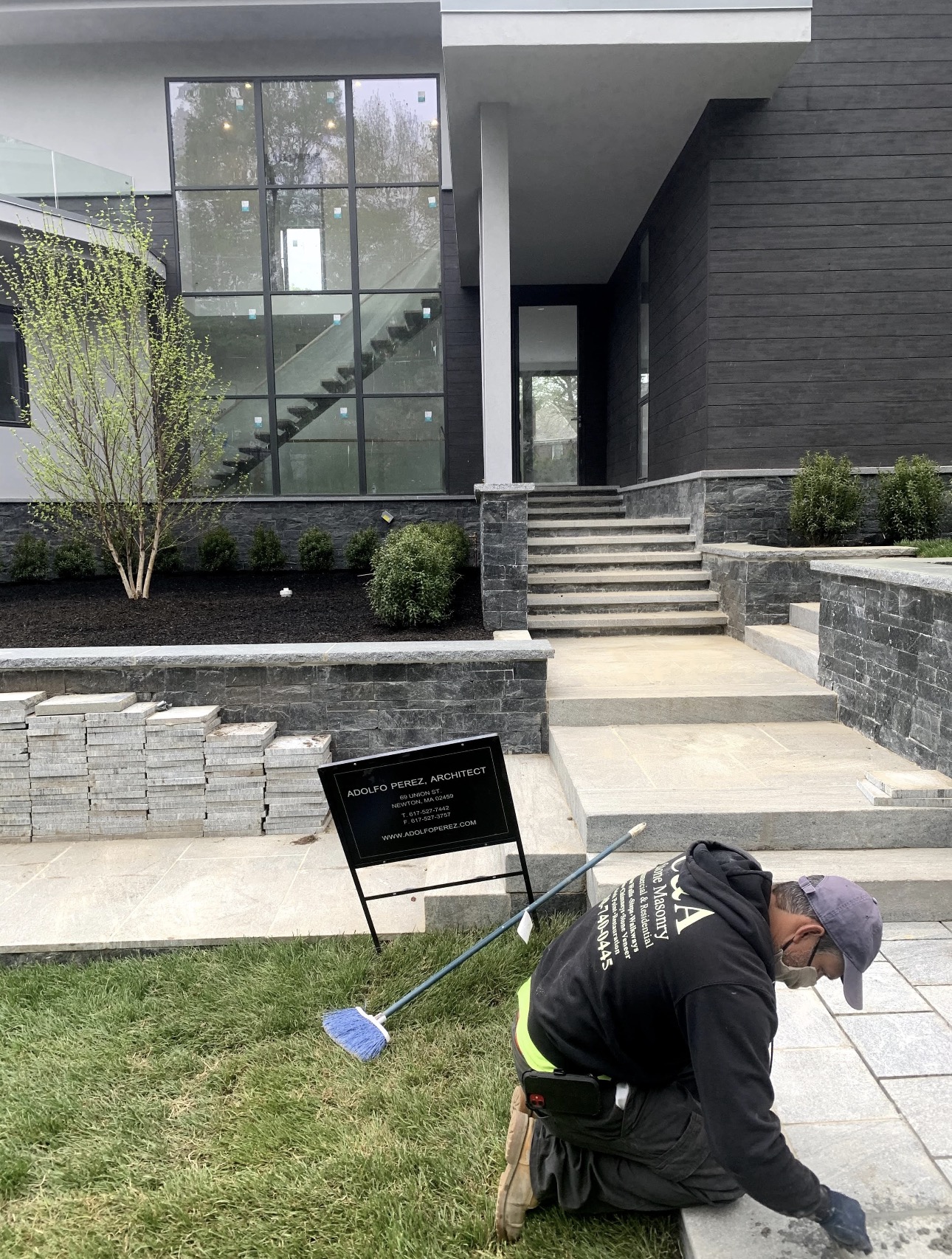
01. Micro-Graded Pitch Integration
Flat outdoor surfaces must never hold standing water. Our crews grade the native subsoil to establish a uniform, microscopic pitch—angling the layout away from your residential foundation by a quarter-inch per foot. This fraction of an inch channels heavy seasonal rain completely into your lawn drainage zones, protecting basement walls from moisture pooling.
02. High-Density Aggregate Packing
We do not lay stone directly onto raw soil or sand. We excavate down to clear organic loam and build a multi-layered bed of crushed gravel stone, packing it down firmly with heavy commercial compactors. This dense sub-base forms an immovable floor that prevents surface stones from dipping or sagging under heavy patio furniture or foot traffic.
03. Polymeric Joint & Sand Sealing
To keep weeds from breaking through and water from washing away the support network, we lock the finished layout using sand or specialized polymer binders. This step fills every single stone joint, setup a flexible, water-resistant seal that holds stones in place while letting the patio expand naturally through heavy heat waves and freeze cycles.
Sourcing and Laying Patios & Natural Walkways
Natural Bluestone & Flagstone Patios
We install high-end backyard patios using natural Pennsylvania bluestone, irregular flagstones, or uniform clay pavers. Our masons shape and fit each piece tightly by hand, matching patterns to establish a clean, balanced surface. Every stone is leveled individually, giving your home a level, highly durable area for outdoor dining and seasonal hosting.
Consult on a Patio Layout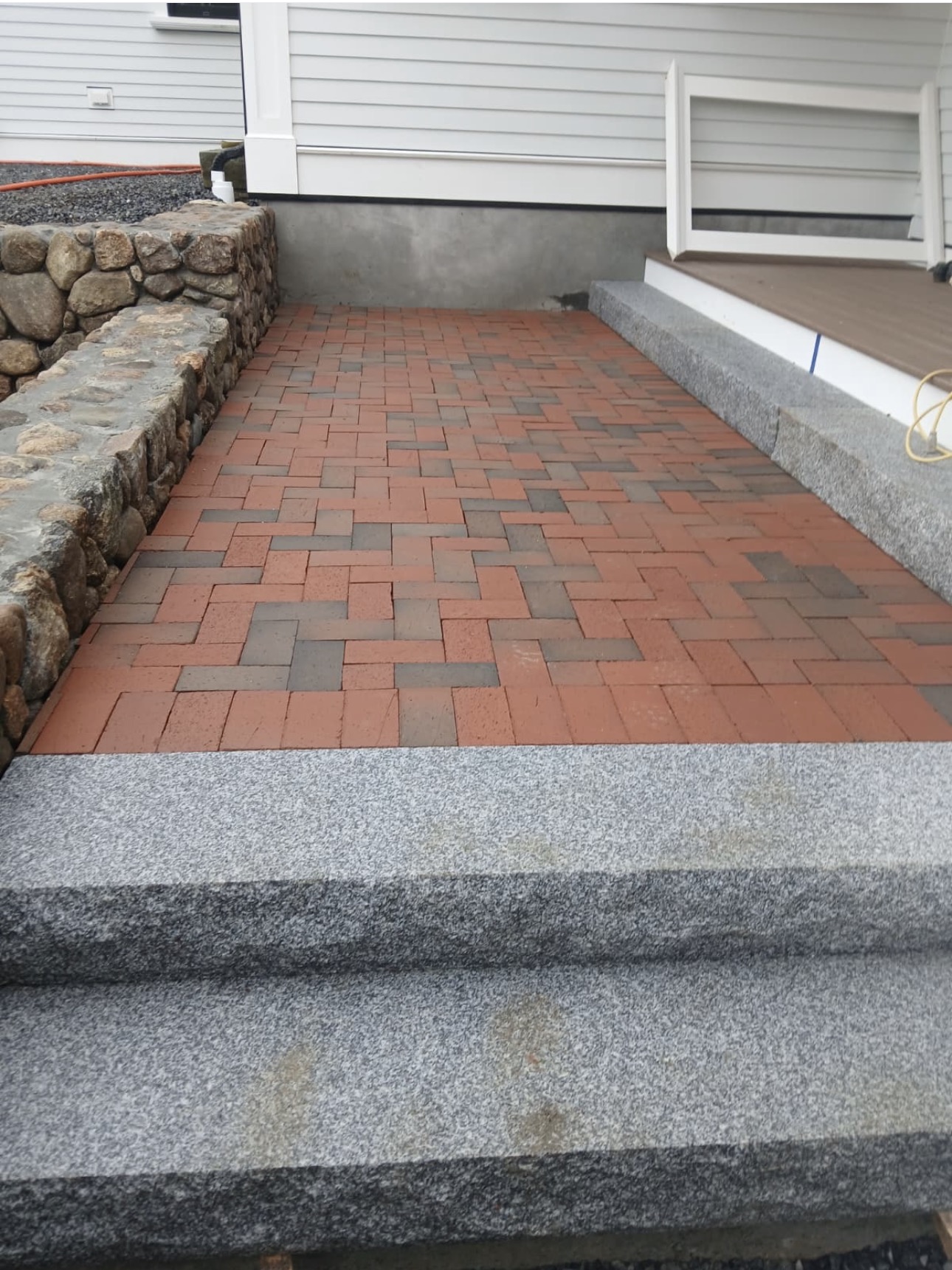
Granite Steps & Structural Walkways
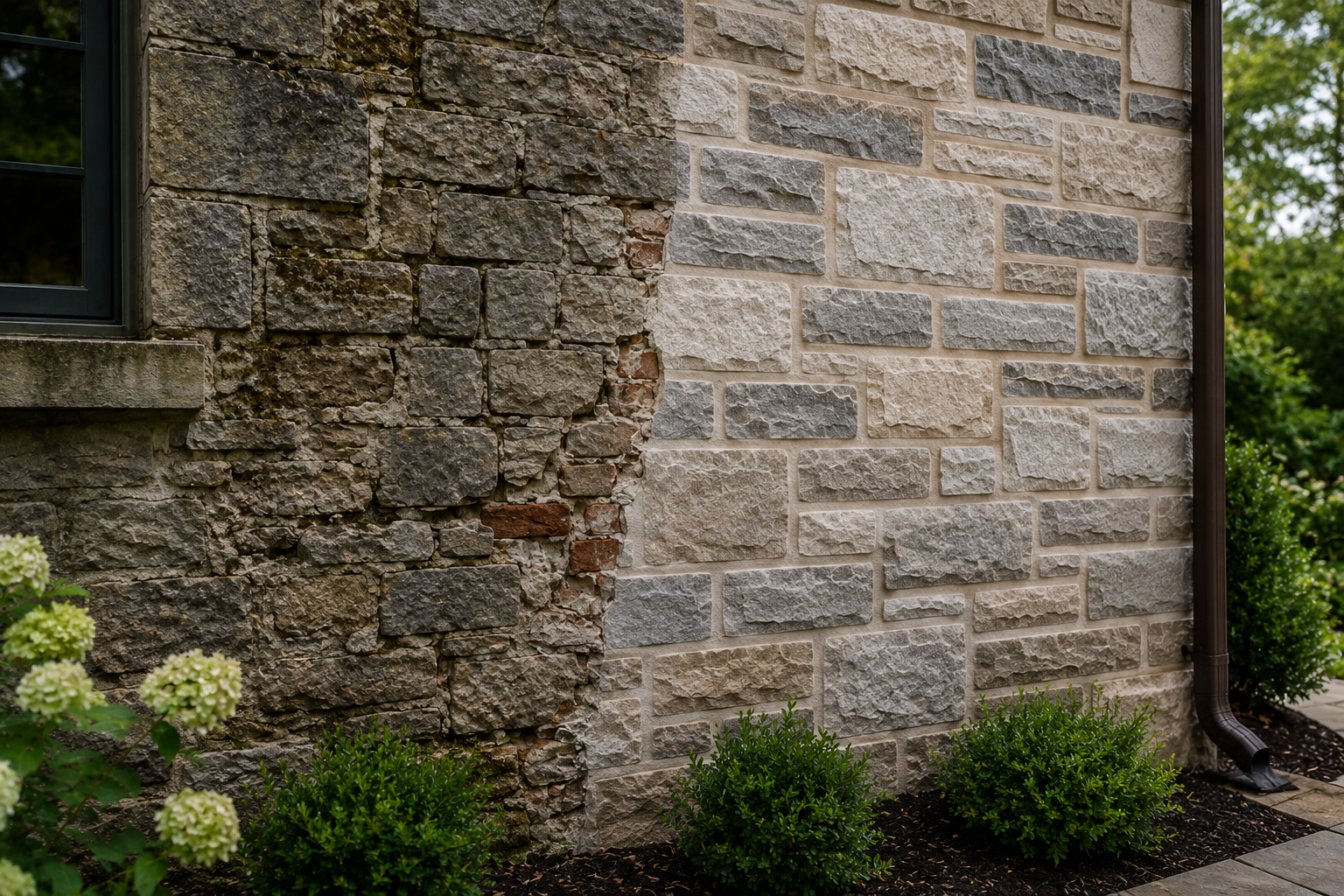
We set heavy, solid granite steps and install front walkways engineered for year-round reliability. We space layout joints accurately and fill them to withstand scraping from heavy snow shovels and plows. By locking heavy stone steps over deep-set gravel footings, your main home entrance remains level, secure, and clear of mud and puddles.
Get a Walkway EstimateFrequently Asked Questions Regarding Patios & Walkways
What is the best material for a durable patio or walkway in Massachusetts?
Natural Pennsylvania bluestone and solid granite are the gold standard for New England. Unlike concrete pavers or poured concrete, which can trap surface moisture and crack under chemical de-icing salts, natural stone features exceptional density and stands up to snow shovels, heavy frost, and salt treatments without peeling or pitting.
How do you stop weeds and moss from growing between patio stones?
We lock our flat paving layouts using high-performance polymeric sand. Once swept into the joints and misted with water, this sand activates a specialized binding agent that cures into a strong, rubberized joint seal. This barrier stops weed seeds from finding soil and rooting, while preventing rain from washing away the underlying base structure.
How long does a stone patio installation typically take from start to finish?
An average residential patio size (around 300 to 400 square feet) usually requires 4 to 6 working days. Over 60% of that timeline is dedicated entirely to site digging, running subsoil levels, adding aggregate layers, and running mechanical compactors. The actual fitting and leveling of the finish flagstones occur during the final stages of the process.
Can you lay a new stone patio directly over an existing cracked concrete pad?
Laying stone over a cracked concrete slab is generally not recommended in Massachusetts. If the underlying concrete has cracked, it indicates the ground beneath it is shifting from water accumulation or frost heaves. Any new stone laid over those cracks will quickly reflect that movement and split. We prefer to break out old concrete and install a proper stone base.
Patios and Walkways Contractor Near Me in Massachusetts
Our hardscaping crews transport grading machinery, structural aggregate gravel, and premium stone slabs directly to residential sites across the region. We ensure all patios and walkways strictly follow regional surface guidelines.
Large structural patio zones or walkways installed near wetlands must comply with local open-space limitations and setback requirements. You can check town-specific footprint rules via the Massachusetts Board of Building Regulations and Standards (BBRS), or consult your town's environmental planning office regarding runoff setups.